Language


In the competitive landscape of fitness apparel, the foundation of any effective workout ensemble begins with the essential layer of support and comfort. For athletes, fitness enthusiasts, and daily activewear users, the selection of an appropriate sports bra is not merely a clothing choice—it is a performance determinant. A poorly constructed sports bra can lead to restricted movement, discomfort, and even long-term tissue stress. Conversely, a well-engineered garment elevates endurance, enhances posture, and allows the wearer to concentrate entirely on movement efficiency. Within the evolving global activewear market, understanding the biomechanical and material innovations behind this critical garment has become a priority for brands aiming to merge fashion with function. The rise of high-intensity home workouts and hybrid gym cultures has further propelled demand for support wear that adapts to unpredictable motion patterns.
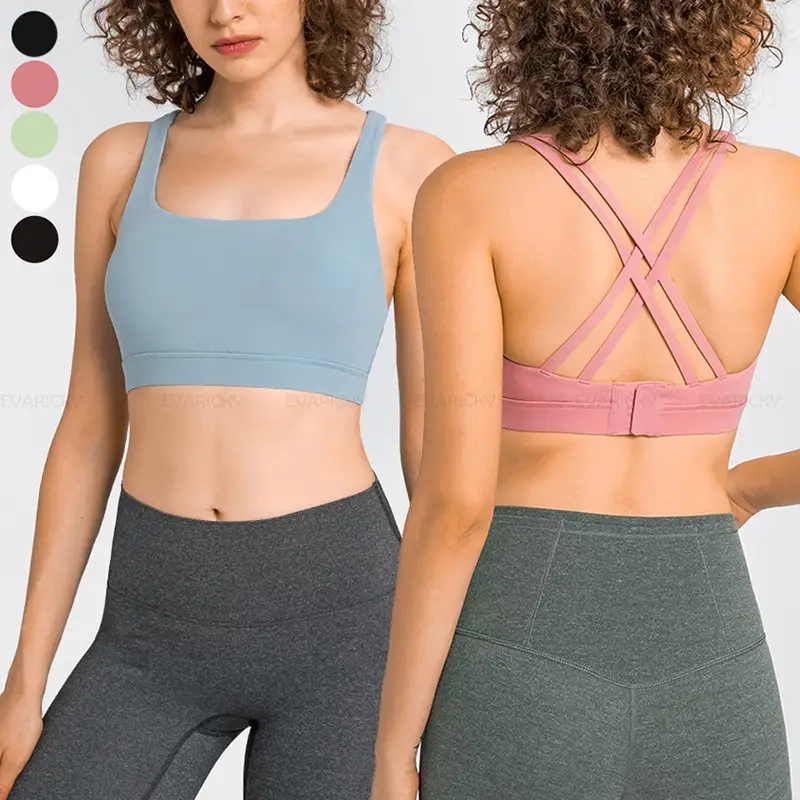
Modern engineering in fitness wear has shifted toward mitigating multidirectional displacement during physical activity. Traditional compression-only designs often fall short in addressing vertical and lateral movement simultaneously. Advanced encapsulation methods, combined with moisture-wicking fabrics, now dominate premium product lines. The intimate apparel sector has witnessed a surge in adaptive tension technologies—where elastics with varying degrees of stretch are strategically placed to mirror muscle fascia lines. This approach reduces shear stress on the shoulders and rib cage, especially during high-impact disciplines like running, plyometrics, or CrossFit. Furthermore, breathability mapping, a technique borrowed from outdoor performance gear, ensures that thermal regulation zones align with major sweat glands, preventing chafing and overheating. Seamless knitting techniques further eliminate friction hotspots, which is particularly beneficial for longer training sessions.
Fabric composition directly influences the lifespan and efficacy of any support garment. Nylon-spandex blends with recycled certifications have become industry benchmarks, offering four-way stretch without compromising shape retention. However, the true innovation lies in gradient compression: varying levels of pressure applied across different chest zones. For example, the underbust band requires higher modulus elasticity to anchor the garment, while the cup area uses lighter tension to allow natural breathing kinematics. Antimicrobial finishes, often silver-ion or bio-based, inhibit odor-causing bacteria—a critical feature for multi-session use. Such material intelligence transforms a simple fitness top into a durable, hygiene-conscious piece of activewear. Additionally, the integration of quick-dry technologies ensures that perspiration does not accumulate, reducing skin irritation risks during prolonged wear.
Not all movements demand identical support architecture. Low-impact activities like yoga or Pilates favor minimal coverage with strappy backs and soft linings, prioritizing range of motion. Medium-impact pursuits such as cycling or strength training require balanced compression and moderate encapsulation to manage rhythmic oscillation. High-impact sports—including HIIT, basketball, or equestrian—necessitate maximum stabilization, often through wide, cushioned straps, racerback configurations, and encapsulated cups with underwire alternatives like soft flex wires or structural foam. Market analysis reveals that misclassification of impact levels leads to a significant share of returns in online activewear channels, underscoring the need for transparent labeling and educational content from suppliers. Consequently, progressive brands now provide activity matrices to guide selection.
Today's fitness consumers expect versatility. A single supportive top may need to transition from a morning spin class to an afternoon desk job and then to an evening walk. This demand has birthed convertible designs: removable pads, adjustable straps (convertible to cross-back or halter), and hook-and-eye extenders that accommodate fluctuation in body composition. Some premium models integrate stash pockets for keys or energy chews, while others feature quick-dry properties for post-workout commutes. Additionally, seamless knitting technology eliminates side seams, reducing friction points for sensitive skin. When evaluating wholesale partners, retailers increasingly prioritize these multi-functional attributes alongside certified ethical manufacturing practices. The modern sports bra is no longer an afterthought but a statement piece that blends performance with daily wearability. This evolution has pushed designers to rethink closures, strap routing, and even aesthetic paneling.
The activewear sector faces mounting pressure to reduce microplastic shedding and water consumption. Leading manufacturers now employ solution-dyeing methods, which cut water usage by a significant margin compared to conventional dyeing. Furthermore, biodegradable elastics and plant-based foams for cup padding are entering commercial production. A responsible garment today often carries certifications such as Oeko-Tex Standard 100, Global Recycled Standard (GRS), or Bluesign. Brands that transparently communicate these credentials build stronger trust with environmentally conscious clients. End-of-life programs—where worn garments are returned for fiber recycling—are also becoming a distinguishing feature among forward-thinking suppliers. These circular models not only reduce textile waste but also create brand loyalty among eco-aware fitness communities.
Despite technological advances, the industry still grapples with sizing fragmentation. Band-cup systems vary dramatically between regions (e.g., EU, UK, US, Asia), leading to confusion in cross-border e-commerce. Progressive brands have adopted alpha sizing (XS–XXL) with augmented fit notes plus “busty” or “small-bust” variants. However, the gold standard remains the availability of bra-sized supports (e.g., 32C–42H) with adjustable features. Research indicates that poorly fitted garments cause shoulder grooving, skin irritation, and altered breathing patterns—factors that directly cause workout abandonment. Therefore, digital fit tools, including body scanning apps and fit guarantee policies, are becoming essential acquisition tools for online activewear retailers. In addition, virtual sampling has reduced fit iteration cycles, allowing faster time-to-market for inclusive size ranges.
| Support Level | Typical Activity Matching | Design Features | Strap Configuration |
|---|---|---|---|
| Low Support | Yoga, Barre, Walking | Light compression, soft cups, low-cut neckline | Thin adjustable, crisscross or straight |
| Medium Support | Strength training, Cycling, Dance | Encapsulation plus compression blend, medium coverage | Wider straps, racerback or convertible |
| High Support | Running, HIIT, Equestrian | Molded cups, underband cushioning, no vertical bounce | Padded wide straps, fixed racerback |
| Maximum Support | Marathon, Plyometrics, Contact sports | Front closure or zip-front, reinforced side panels | Extra-wide, fully adjustable with stabilizers |
Creating a high-performance fitness garment involves over thirty production steps—from yarn texturizing to cutting, stitching, attaching hardware, and final quality auditing. Critical control points include strap elasticity testing (stretch and recovery cycles), seam burst strength (especially at underarm junctions), and colorfastness to perspiration and chlorine. Many global compliance frameworks require random fabric sampling for harmful substances. Moreover, the emergence of near-shoring and agile manufacturing has shortened lead times without sacrificing precision. In this context, working with a dedicated trading partner who oversees raw material sourcing, factory compliance, and logistics consolidation becomes a strategic advantage. Brands no longer need to manage dozens of suppliers; they can rely on integrated service providers that ensure ethical production and consistent quality thresholds. A well-constructed sports bra must pass dynamic motion simulation tests to guarantee real-world reliability, especially for high-intensity training lines.
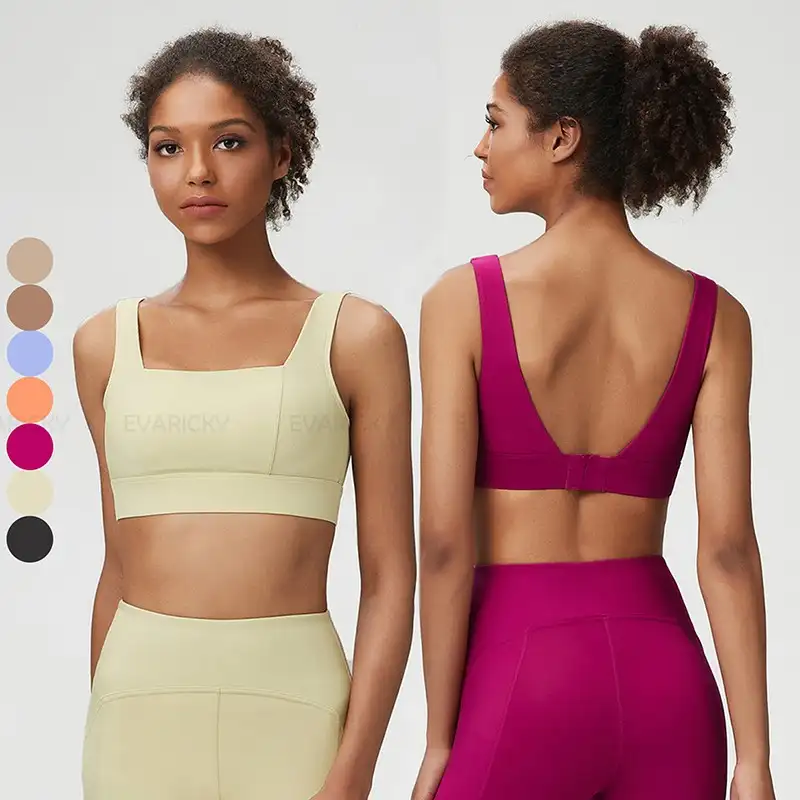
While technical performance dominates engineering priorities, visual appeal remains a decisive factor in purchase decisions. Color trends—such as muted earth tones for grounding practices or neon accents for high-energy classes—directly influence sell-through rates. Sheer panel inserts, laser-cut motifs, and reflective logos for outdoor safety add premium value. The modern active top often serves as a standalone layer, worn alone with high-waisted leggings or under a mesh tank. Consequently, design teams must balance bold aesthetics with seam placements that avoid chafing. Digital printing allows for small-batch customization, enabling micro-brands to offer unique patterns without massive minimum order quantities. This democratization of design has expanded the market beyond traditional sportswear giants, creating space for niche brands that prioritize both form and function.
Even the most robust supportive garment degrades prematurely without proper care. Industry guidelines recommend cold machine washing in mesh bags, avoiding fabric softeners (which clog moisture-wicking pores), and line drying away from direct heat. However, a notable portion of consumers follow these protocols inconsistently. Forward-thinking suppliers include care labels with pictograms and even QR codes linking to wash videos. Furthermore, some companies are introducing “renewal services”—replacing elastics or padding to extend product life. This circular approach reduces textile waste and fosters brand loyalty. By educating wearers, the entire industry moves toward sustainability and performance retention. Proper care also preserves the mechanical properties of elastics, ensuring consistent support across months of regular use.
Wholesale activewear partners increasingly seek collections that offer modularity: the same silhouette available in multiple fabric weights (e.g., lightweight for summer, thermal for winter layering). Also important is the availability of matching sets—leggings and crop tops dyed in identical lots for color consistency across SKUs. Inventory risk mitigation drives demand for made-to-order and just-in-time delivery models, reducing dead stock. Additionally, third-party testing reports verifying impact absorption rates (using methodologies like breast displacement measurement with motion capture) become selling tools for B2B catalogs. The most successful suppliers provide not just finished goods but also trend forecasting reports, fit manuals, and co-marketing assets. A thoughtfully engineered sports bra can serve as the anchor product of an entire activewear lineup, driving repeat orders and brand authority in the performance apparel space.
| Quality Parameter | Inspection Method | Acceptance Criterion (Qualitative) |
|---|---|---|
| Strap Elasticity Retention | Repeated stretch test to defined length | Full recovery without wavy edges |
| Seam Strength | Tensile pull on side and shoulder seams | No seam slippage or yarn breakage |
| Colorfastness | Rub test (wet and dry) and light exposure | No staining on adjacent fabric; minimal fading |
| Moisture Wicking Rate | AATCC test method for vertical wicking | Liquid rise beyond benchmark in set time |
Southeast Asia, particularly China, remains the dominant production hub for activewear due to integrated textile parks, rapid sampling, and mature logistics networks. Within China, coastal cities like Xiamen offer unique advantages: proximity to fabric mills, access to skilled pattern makers specialized in body-mapped garments, and efficient shipping lanes to Europe and North America. Additionally, labor flexibility allows for small minimum order quantities, enabling brand experimentation. By contrast, other regions may offer lower labor costs but often lack the ecosystem for complex technical garments like high-support tops with multi-panel construction. This is why experienced sourcing partners leverage regional strengths—combining Chinese manufacturing precision with global compliance standards. The result is a reliable pipeline from design to delivery without compromising on performance characteristics.
End consumers today demand to know not only where a garment was made but also under what conditions. Raw material traceability—from yarn extrusion to final assembly—reduces reputational risk. Blockchain-enabled tracking is emerging as a tool to certify ethical claims. Furthermore, transparent suppliers openly share factory audit reports, water treatment records, and waste management protocols. This openness transforms a transactional relationship into a strategic partnership. For small to medium activewear labels, partnering with a transparent trading company eliminates guesswork in compliance and allows them to focus on marketing and community building. A premium sports bra is not just defined by its fabric or cut but by the entire ethical ecosystem that brings it to market. Therefore, choosing the right supply chain ally is as important as the product design itself.
Within this dynamic and demanding industry, having a reliable partner who understands both product engineering and global logistics is indispensable. Xiamen Evaricky Trading Co., Ltd., established in 2018 and strategically headquartered in Xiamen—a major southeastern Chinese port—has cultivated a complete supply chain ecosystem tailored to fitness and yoga wear. Their clear product positioning spans from women's leggings and gym tank tops to men's hoodies and shorts, but their specialization in active essentials like supportive tops and complementary fitness tools sets them apart. By integrating material sourcing, quality control, and export coordination, this company ensures that every delivered sports bra meets professional performance expectations. For brands seeking consistency, ethical production, and responsive communication, Xiamen Evaricky Trading Co., Ltd. represents a seasoned gateway to the Asian activewear manufacturing landscape. Their focus on functionality, combined with aesthetic versatility, continues to earn trust from global activewear labels. From initial sampling to bulk shipments, the firm provides end-to-end solutions that reduce friction and elevate product quality across every order.