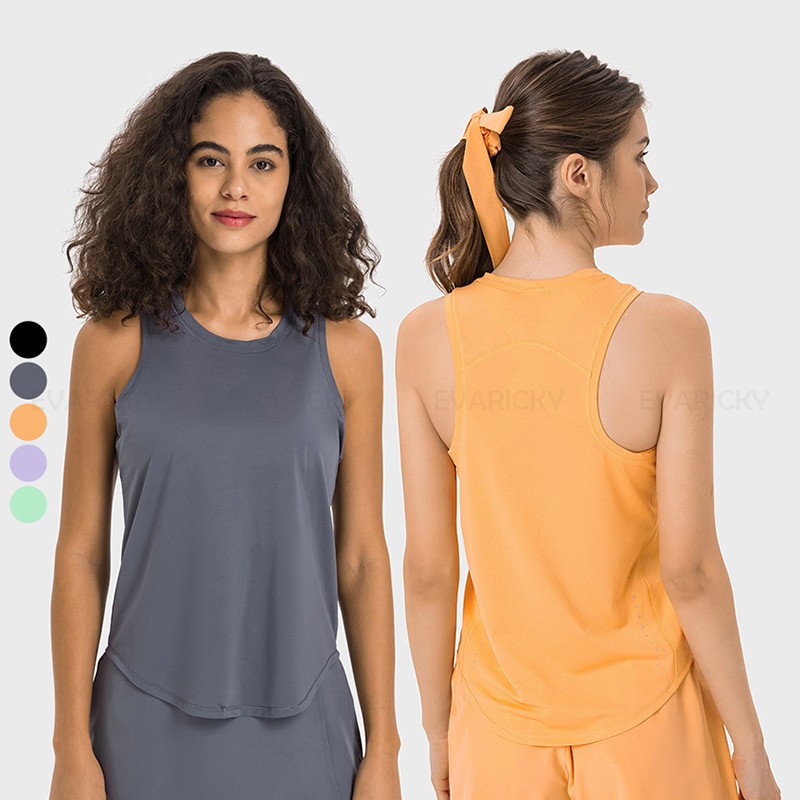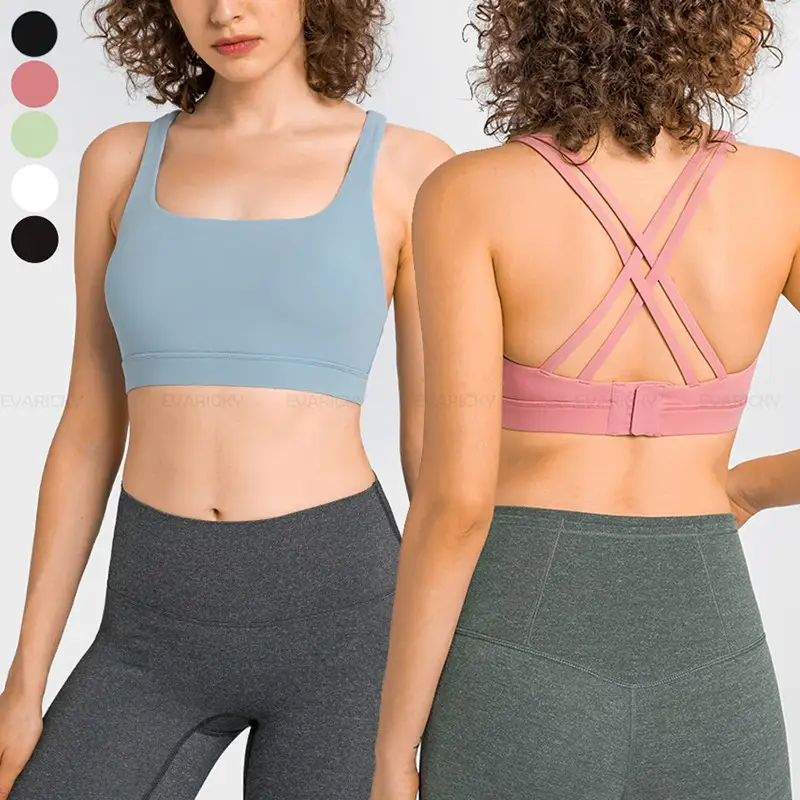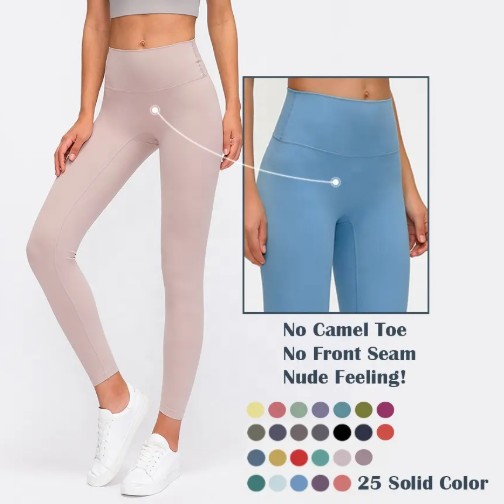


This guide explains the essential features of comfortable gym leggings for women, including fabric composition, stretch, breathability, waistband support, coverage, and fit. It also explores how to choose leggings for different workout routines, how to check quality before purchasing, and how to care for activewear so it remains comfortable over time. Whether shopping for personal use or evaluating products for retail and wholesale sourcing, readers can use these practical considerations to make more informed decisions.
1. Why Comfort Matters in Workout Leggings
Exercise clothing should help people concentrate on movement rather than constantly adjusting what they wear. Leggings that slide down, pinch at the waist, or restrict the hips can interrupt a training session. A well-designed pair should feel secure while allowing the body to move naturally.
Comfort is not determined by one feature alone. It comes from the relationship between fabric, garment construction, body shape, and activity level. For example, a close-fitting design may feel supportive during weight training, while a softer and more flexible fabric may be preferred for yoga or stretching.
Gym leggings for women are therefore best evaluated as functional activewear. Their purpose is to provide coverage, flexibility, and a comfortable fit across repeated movements.
2. Understanding Common Leggings Fabrics
Fabric selection influences softness, stretch recovery, durability, and moisture handling. Many performance leggings use a blend of synthetic fibers, often combining polyester or nylon with elastane. The exact composition varies by product and intended use.
| Fabric | Common Characteristics | What to Consider |
|---|---|---|
| Polyester | Lightweight, quick-drying, and commonly used in activewear | Fabric weight and knit structure affect comfort and coverage |
| Nylon | Often smooth, soft, and abrasion-resistant | Check the blend and fabric finish for the intended activity |
| Elastane | Provides stretch and helps fabric return toward its original shape | The percentage and construction influence compression and recovery |
| Cotton blends | Can feel soft and familiar against the skin | May retain more moisture than some synthetic performance fabrics |
A fabric label provides a useful starting point, but fiber percentages alone do not tell the whole story. Two products with similar compositions can feel very different because of yarn quality, knitting method, fabric weight, finishing, and garment construction.
3. Stretch and Freedom of Movement
Stretch is essential for movements such as squats, lunges, high kicks, and yoga poses. Leggings should accommodate changes in body position without pulling excessively across the knees, hips, or seat.
Four-way stretch is often valued in activewear because the fabric can extend in both horizontal and vertical directions. However, stretch should be balanced with recovery. A garment that stretches easily but does not recover well may gradually lose its shape after repeated wear.
What to check when assessing stretch
- Movement range: The fabric should accommodate deep bends and full leg extension.
- Recovery: The material should return toward its original dimensions after stretching.
- Seam comfort: Stitching should not create uncomfortable pressure during movement.
- Fabric stability: The garment should not become excessively loose during a workout.
Stretch performance depends on both the textile and the pattern design. A well-selected fabric can still feel restrictive if the garment is cut too tightly or the rise and inseam do not suit the wearer.
4. Choosing the Right Waistband
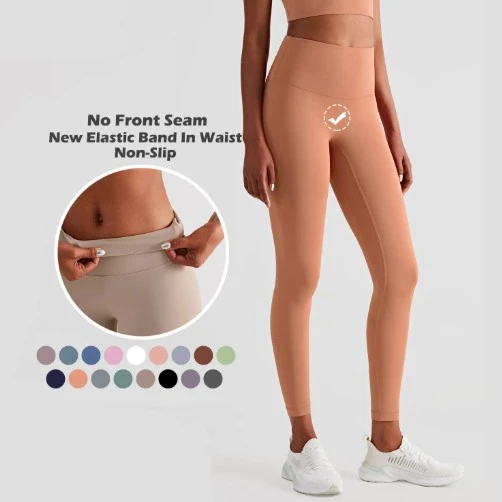
The waistband plays an important role in keeping leggings in place. A waistband that is too loose may roll or slide during movement, while one that is too tight may create pressure around the abdomen.
High-waisted leggings are popular because they provide more coverage around the waist and may feel secure during bending and stretching. Mid-rise designs can offer a less restrictive feel for people who prefer a lower waistline.
When evaluating waistband construction, consider its width, elasticity, stitching, and ability to stay in position. A smooth inner surface and well-finished seams can also improve comfort during longer sessions.
5. Breathability and Moisture Management
During exercise, the body produces heat and perspiration. Leggings that feel heavy or remain damp for too long can become uncomfortable, especially during high-intensity training or warm-weather workouts.
Breathability is influenced by fiber type, yarn structure, knit density, fabric weight, and finishing. Moisture-wicking fabrics are designed to help move perspiration away from the skin toward the fabric surface, where it can spread and evaporate. Their actual performance varies by construction and environmental conditions.
Features worth comparing
- Lightweight construction for workouts that generate considerable heat.
- Moisture-management properties for repeated or extended training sessions.
- Soft inner surfaces to reduce friction against the skin.
- Appropriate fabric density to balance airflow with coverage.
Breathability should not be confused with thinness. A very thin fabric may feel cool but may not provide the coverage or support a wearer expects. A balanced fabric construction is usually more practical.
6. Opacity and Coverage During Exercise
Coverage is a common concern when choosing gym leggings. Fabric that becomes transparent when stretched can make a wearer feel uncomfortable during squats, bending, or other movements. This issue may result from low fabric density, excessive sizing tension, unsuitable construction, or a combination of factors.
To assess opacity, check the leggings under suitable lighting and perform movement tests similar to the intended workout. Pay particular attention to the seat, upper thighs, and areas that experience the greatest stretch.
Dark colors are often perceived as more forgiving, but color alone does not guarantee opacity. Fabric weight, knit structure, and fit are equally important.
7. Finding a Suitable Fit
The right fit should feel close to the body without restricting circulation or movement. Leggings that are too small may pull at the seams and become uncomfortable, while oversized leggings may wrinkle, shift, or lose their intended support.
Use measurements instead of guessing
Waist and hip measurements are useful starting points when consulting a size chart. Inseam length is also important, particularly for people who prefer full-length, 7/8-length, or cropped styles.
Because sizing differs between brands and product ranges, avoid assuming that the same size will fit identically across all collections. Always compare measurements with the specific product chart.
| Fit Concern | Possible Sign | What to Review |
|---|---|---|
| Too tight | Strong pulling or uncomfortable pressure | Waist, hip, and thigh measurements |
| Too loose | Fabric slipping or gathering | Waistband fit and overall size |
| Incorrect length | Excess fabric or an unexpectedly short hem | Inseam and preferred leg coverage |
| Seam discomfort | Rubbing during repeated movement | Seam placement and stitching finish |
8. Matching Leggings to Workout Types
Different exercises place different demands on activewear. Choosing leggings according to the training routine can improve the overall wearing experience.
- Yoga and Pilates: Soft, flexible fabrics and comfortable waistbands are useful for stretching and floor-based movement.
- Strength training: Look for secure fit, reliable stretch recovery, and fabric coverage during squats and lunges.
- Running: Lightweight materials, stable waistbands, and reduced friction can be important during repetitive movement.
- Indoor cycling: A close fit and smooth seams may help reduce fabric movement and rubbing.
- High-intensity training: Breathability, moisture management, and secure construction deserve extra attention.
No single design is automatically ideal for every activity. Consider the intensity, duration, movement range, and personal preference before choosing a pair.
9. How to Evaluate Product Quality
Good-looking leggings are not necessarily well-made leggings. Construction details influence how a garment performs after repeated workouts and washing.
Quality checkpoints
- Stitching: Check for skipped stitches, loose threads, and uneven seams.
- Seam strength: Areas under repeated tension should be carefully constructed.
- Fabric consistency: Look for uneven dyeing, surface defects, or noticeable differences in texture.
- Waistband stability: Check whether the waistband remains flat and comfortable.
- Size consistency: Compare measurements across different pieces in the same size range.
For retailers and wholesale buyers, product evaluation should also include sample inspection, measurement checks, color consistency, packaging requirements, and communication about quality standards. Testing should reflect the product's intended use rather than relying only on appearance.
10. Care Tips for Longer Wear
Correct care helps preserve the appearance and performance of activewear. Always follow the garment's care label, because recommended washing temperatures and drying methods vary by fabric and finish.
- Wash leggings after use according to the care instructions.
- Turn garments inside out to help protect the outer surface.
- Use a suitable detergent and avoid excessive fabric softener if the care label advises against it.
- Avoid high heat unless the manufacturer specifically permits it.
- Allow leggings to dry fully before storing them.
- Keep them away from rough surfaces that may cause abrasion or pilling.
Frequent high-temperature drying, harsh washing conditions, and friction can shorten the useful life of many stretch fabrics. Gentle care is a practical way to maintain fit and appearance.
11. Frequently Asked Questions
Q1: What fabric is commonly used for gym leggings for women?
Many styles use polyester or nylon blended with elastane. These combinations can provide stretch, shape recovery, and practical performance properties. The best fabric depends on the activity and the product's construction.
Q2: Are high-waisted leggings suitable for strength training?
They can be a suitable option for people who prefer more waist coverage and a secure feel. The waistband should remain comfortable during squats, bending, and other movements.
Q3: How can I check whether leggings are squat-proof?
Check the fabric under good lighting while performing a squat or similar movement. Review coverage around the seat and thighs, and make sure the leggings are not being stretched beyond their intended fit.
Q4: Should workout leggings feel tight?
They should generally fit close to the body, but they should not cause pain, uncomfortable pressure, or restricted movement. A suitable fit depends on the garment design and personal preference.
Q5: How often should gym leggings be washed?
It is generally best to wash them after each workout, following the care label. Perspiration and body oils can build up in fabric after use.
Q6: Can one pair of leggings be used for different workouts?
Yes. Versatile leggings with comfortable stretch, suitable coverage, and a stable waistband can work for several activities. However, specialized training may benefit from activity-specific features.
Q7: What should wholesale buyers check before placing an order?
Buyers should review fabric specifications, size charts, stitching, sample quality, color consistency, packaging, order quantities, and delivery arrangements before confirming an order.
12. Choose Activewear with Comfort in Mind
Comfortable workout leggings are the result of thoughtful fabric selection, suitable stretch, a well-designed waistband, reliable coverage, and careful garment construction. Instead of focusing on appearance alone, compare these features with the demands of your workouts and your personal fit preferences.
Xiamen Evaricky Trading Co., Ltd. focuses on connecting customers with apparel and product sourcing solutions. When evaluating gym leggings for women, clear product specifications, sample review, and communication about quality expectations can help buyers make more confident sourcing decisions.
Looking for Gym Leggings for Women?
Whether you are exploring activewear options for your store, developing a product collection, or comparing sourcing requirements, Xiamen Evaricky Trading Co., Ltd. welcomes your inquiry. Contact us to discuss product details, sourcing needs, and potential cooperation.
Contact us to start a conversation about your activewear requirements.