

Article Summary
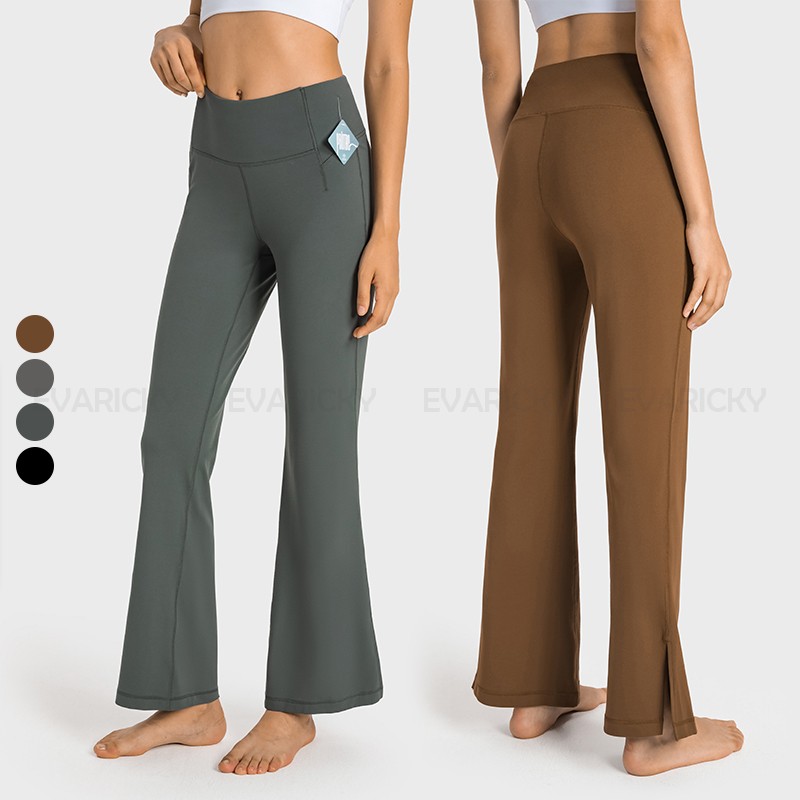
Push Up Fitness Wide Sweatpants have become an appealing option for consumers who want a balance of flattering proportions, everyday comfort, and active lifestyle functionality. Combining a supportive waist design, carefully considered shaping details, and a relaxed wide-leg silhouette, these sweatpants offer a versatile alternative to traditional joggers and tight-fitting workout pants. This guide explains how their design works, what materials and construction details matter, how to choose the right fit, and what brands and wholesale buyers should consider when sourcing quality products. Whether you are developing a fitness apparel collection or looking for comfortable clothing for daily wear, understanding these details can help you make a more informed decision.
Why Are Push Up Fitness Wide Sweatpants Becoming Popular?
Modern activewear is no longer limited to clothing worn exclusively in the gym. Consumers increasingly expect fitness apparel to transition smoothly between exercise, commuting, casual outings, and relaxation. Push Up Fitness Wide Sweatpants respond to this demand by combining a body-conscious design concept with the comfort of a loose-fitting garment.
Traditional leggings offer a close fit that emphasizes body contours, but some consumers find them restrictive or prefer more coverage. Standard sweatpants provide a relaxed fit, yet they may lack the shaping details and polished appearance that shoppers want. Wide-leg push-up sweatpants bridge this gap.
Their appeal comes from several design characteristics:
- Flattering proportions: A thoughtfully designed rear and hip area can create a more defined visual silhouette.
- Relaxed leg shape: Wide legs provide additional room and a comfortable alternative to tight-fitting bottoms.
- Versatile styling: They can be paired with sports bras, fitted tops, hoodies, or everyday T-shirts.
- Everyday practicality: Soft fabrics and comfortable waistbands make them suitable for extended wear.
For apparel brands, this combination creates opportunities to serve customers who want functional clothing without sacrificing personal style. It also allows product collections to cover a broader range of preferences than leggings or basic joggers alone.
What Makes the Push-Up Design Different?
The term "push-up" describes a garment design intended to enhance the visual appearance of the hip and gluteal area. In sweatpants, this effect is generally achieved through pattern construction, seam positioning, fabric behavior, and the relationship between the waistband and the seat.
It is important to understand that a garment does not physically change body shape. Its appearance depends on how the fabric fits, supports, and follows the body's natural contours.
1. Strategic Seam Placement
Curved seams, carefully positioned back panels, and shaped stitching can help define the rear area. The goal is to create a smooth outline without excessive tension or uncomfortable pressure. Poorly positioned seams, by contrast, may cause fabric distortion or an unbalanced appearance.
2. Contoured Waist and Hip Construction
A contoured waistband can follow the natural waist more closely than a simple straight waistband. Combined with a properly shaped seat pattern, it can help the garment stay in place while creating a cleaner transition between the waist, hips, and legs.
3. Fabric Stretch and Recovery
Stretch fabrics allow the garment to adapt to movement and body contours. Recovery is equally important: after stretching, the fabric should return close to its original dimensions rather than becoming loose or baggy. A fabric with insufficient recovery may lose its intended shape after repeated wear.
How Does the Wide-Leg Silhouette Improve Comfort?
The wide-leg silhouette is one of the defining features of this product category. Unlike tapered joggers, which narrow toward the ankle, wide-leg sweatpants maintain more space through the lower leg. This creates a relaxed appearance and reduces the feeling of restriction around the calves and ankles.
More Freedom of Movement
Extra room through the legs can make sitting, walking, stretching, and casual movement feel more comfortable. The loose shape also helps prevent the close-fitting sensation that some people experience with compression-style activewear.
A Balanced Visual Proportion
A wide leg can visually balance a fitted waist and hip area. This contrast is particularly useful when styling sweatpants with cropped tops, fitted athletic shirts, or shorter jackets. The result is a silhouette that feels relaxed while retaining a defined upper shape.
Comfort Across Different Settings
Wide-leg fitness sweatpants are suitable for warm-ups, low-impact exercise, travel, lounging, and everyday casual outfits. However, the amount of fabric around the legs should be considered for activities involving fast footwork or moving equipment. A very loose design may not be suitable for every training environment.
For product developers, the challenge is to achieve a wide appearance without making the garment excessively heavy or difficult to move in. Leg width, inseam length, fabric drape, and overall proportions should be evaluated together.
Which Fabrics Are Suitable for Fitness Wide Sweatpants?
Fabric selection directly affects softness, stretch, breathability, durability, drape, and the overall wearing experience. The ideal material depends on the intended use, target customer, climate, price positioning, and product design.
| Fabric Type | Main Characteristics | Potential Applications | Points to Check |
|---|---|---|---|
| Polyester-Spandex | Stretch, shape retention, and quick-drying potential | Fitness and activewear collections | Fabric hand feel, opacity, and recovery |
| Cotton-Spandex | Soft touch with added flexibility | Casual fitness and everyday wear | Shrinkage and dimensional stability |
| Cotton-Polyester Blend | Comfort with practical durability | Basic sweatpants and lifestyle ranges | Pilling, weight, and surface appearance |
| Brushed Fleece | Soft inner surface and added warmth | Cold-weather and lounge collections | Lint, bulk, and wash performance |
| Lightweight Stretch Knit | Flexible drape and reduced garment weight | Light training and transitional seasons | Transparency and fabric stability |
Important Fabric Performance Factors
- Four-way or multi-directional stretch: Helps the garment adapt to movement in different directions when required by the design.
- Moisture management: Can improve comfort during exercise by helping manage perspiration.
- Opacity: The fabric should provide appropriate coverage when the wearer bends, squats, or stretches.
- Shape recovery: Helps maintain the intended fit after repeated stretching and washing.
- Surface durability: Resistance to pilling, abrasion, and excessive fuzzing contributes to a longer-lasting appearance.
- Skin comfort: Softness, seam finishing, and the absence of irritating surface defects matter during extended wear.
Fabric specifications should be confirmed through actual testing rather than relying only on a material name or fiber percentage. Two fabrics with similar compositions can perform differently because of yarn quality, knitting structure, finishing, and fabric weight.
How Should the Waistband and Fit Be Designed?
The waistband is one of the most important components of Push Up Fitness Wide Sweatpants. It influences comfort, garment stability, waist definition, and the overall appearance of the product.
High-Rise Waistband
A high-rise design sits around or above the natural waist, depending on the pattern and the wearer's proportions. It can provide a secure feeling and create a smooth visual line when paired with fitted tops. The waistband should remain comfortable while sitting, bending, and walking.
Elastic Construction
Elastic waistbands provide flexibility and help accommodate different body shapes. However, elastic tension needs to be carefully controlled. Excessive tension can cause discomfort and unwanted pressure, while insufficient tension may allow the garment to slip.
Drawstring Options
An adjustable drawstring allows wearers to customize the waist fit. It can be placed internally for a cleaner exterior or externally as a visible design detail. The drawstring, eyelets, and stitching should be secure enough for repeated adjustment.
Fit Consistency Across Sizes
A well-developed size range should account for differences in waist, hip, thigh, rise, and inseam measurements. Simply increasing every measurement by the same amount may not produce a balanced fit across the size range.
What Features Matter During Workouts?
Although these sweatpants have a relaxed silhouette, their performance still depends on practical construction details. A product designed for light exercise may have different requirements from one intended primarily for lounging or casual wear.
Movement-Friendly Construction
Stretch fabric, a suitable rise, and carefully designed seams help reduce unnecessary pulling during squats, stretching, and walking. The garment should not restrict normal movement around the hips or knees.
Breathability and Temperature Comfort
For exercise, breathable fabrics can help reduce the uncomfortable feeling of trapped heat. Heavier fleece may be more appropriate for cool environments, while lighter knit fabrics are often better suited to warmer conditions.
Pocket Design
Pockets add convenience for keys, cards, or small personal items. Their placement should not distort the side profile or create uncomfortable bulk. Pocket openings and stitching should also withstand normal use.
Secure Hem and Seam Finishing
Wide-leg hems should hang evenly and maintain their shape. Clean seam finishing reduces the risk of loose threads and premature seam damage. For active use, reinforced stitching in high-stress areas can improve product reliability.
It is also important to match the garment to the activity. Loose wide-leg pants may be excellent for warm-ups, walking, and casual gym sessions, but fitted performance clothing may be more practical for high-speed training or exercises involving moving machinery.
How Can Consumers Choose the Right Size?
Choosing the correct size is essential for achieving both comfort and the intended silhouette. Since wide-leg sweatpants combine a shaped upper section with a relaxed lower section, consumers should pay particular attention to waist and hip measurements.
Measure Before Ordering
- Waist: Measure around the natural waist without pulling the tape too tightly.
- Hips: Measure around the fullest part of the hips while standing naturally.
- Inseam: Measure from the crotch area to the desired hem position.
- Rise: Check the front and back rise measurements to understand how the waistband will sit.
- Leg opening: Review the hem width to confirm the desired wide-leg appearance.
Understand the Intended Fit
Some designs have a close-fitting waist and hip area with a relaxed leg, while others are loose throughout. Consumers should check product measurements and model references instead of relying only on labels such as S, M, or L.
Consider Fabric Stretch
Stretch fabrics may accommodate small measurement differences, but they should not be used to justify choosing an unsuitable size. A garment that is too tight can create excessive seam tension, reduce comfort, and affect fabric opacity.
For online retailers, providing a clear size chart, garment measurements, model height, and fit description can reduce customer uncertainty and unnecessary returns.
How Can These Sweatpants Be Styled?
One advantage of Push Up Fitness Wide Sweatpants is their styling flexibility. The combination of a defined upper fit and loose legs creates opportunities for different outfits without requiring complicated layering.
Fitness and Training Look
Pair the sweatpants with a fitted sports bra, cropped athletic top, or lightweight training shirt. This combination keeps the upper body streamlined while allowing the wide-leg silhouette to stand out.
Casual Everyday Outfit
A basic T-shirt, sweatshirt, or relaxed hoodie creates an easy everyday outfit. Neutral colors such as black, grey, beige, and navy are practical choices for consumers who want pieces that coordinate with existing wardrobes.
Streetwear-Inspired Styling
Oversized tops, cropped jackets, statement sneakers, and carefully selected accessories can give wide-leg sweatpants a more fashion-oriented appearance. The key is to balance volume so that the overall outfit does not appear unnecessarily bulky.
Seasonal Layering
Lightweight versions work well with breathable tops in warmer seasons. Brushed or fleece-lined versions can be paired with sweaters and jackets when temperatures drop.
| Styling Purpose | Suggested Top | Footwear |
|---|---|---|
| Gym and fitness | Fitted sports top | Training sneakers |
| Casual daily wear | Basic T-shirt | Low-profile sneakers |
| Streetwear | Cropped jacket or oversized sweatshirt | Chunky sneakers |
| Cold-weather comfort | Hoodie or knit sweater | Casual boots or sneakers |
What Should Brands Consider When Sourcing Them?
For fashion labels, fitness apparel distributors, retailers, and wholesale buyers, selecting a suitable Push Up Fitness Wide Sweatpants supplier involves more than comparing unit prices. Product consistency, material reliability, communication, and production capability all influence the final customer experience.
1. Define the Target Market
Before requesting samples, identify the intended customer and market positioning. A premium fitness collection may require advanced stretch fabrics and refined construction, while a casual basics range may prioritize softness, practical pricing, and versatile colors.
2. Confirm Product Specifications
Provide a clear technical specification covering fabric composition, weight, color, measurements, waistband design, pocket details, logo placement, stitching, and packaging. Clear requirements help reduce misunderstandings during sampling and production.
3. Request and Evaluate Samples
Samples allow buyers to assess the actual hand feel, fit, drape, stretch, seam quality, and finishing. It is useful to test samples through normal movement and washing before approving bulk production.
4. Review Customization Capabilities
Brands may need custom colors, size ranges, fabric options, labels, prints, embroidery, drawstrings, or packaging. Confirm which options are available, any minimum order requirements, and whether customization affects lead time or pricing.
5. Check Production and Quality Control
Ask how the supplier manages incoming fabric inspection, cutting accuracy, sewing quality, measurement checks, and final inspection. Consistent processes are particularly important when ordering multiple colors or sizes.
6. Compare the Total Purchasing Cost
Unit price is only one part of sourcing. Buyers should also consider sample charges, customization costs, packaging, shipping, production lead time, defect handling, and order quantity requirements.
Xiamen Evaricky can be included in supplier discussions when exploring fitness apparel development and sourcing requirements. Buyers should confirm current product availability, customization options, production capabilities, and commercial terms directly with the company before placing an order.
How Can Product Quality Be Evaluated?
A structured inspection process helps buyers identify problems before products reach retail customers. For wide-leg push-up sweatpants, quality evaluation should cover materials, dimensions, construction, appearance, and performance after care.
| Inspection Area | What to Examine | Why It Matters |
|---|---|---|
| Fabric | Hand feel, thickness, stretch, opacity, surface defects | Influences comfort and product appearance |
| Waistband | Elastic recovery, stitching, drawstring security | Supports fit and wearing comfort |
| Seams | Stitch consistency, loose threads, seam strength | Helps prevent early construction failure |
| Measurements | Waist, hip, rise, inseam, leg opening | Maintains size consistency |
| Appearance | Color consistency, symmetry, print and logo placement | Protects brand presentation |
| Wash performance | Shrinkage, color change, pilling, shape retention | Indicates durability during normal care |
Useful Testing Considerations
- Check garment measurements against the approved size specification.
- Inspect seam areas around the crotch, waistband, and pockets.
- Evaluate stretch and recovery after repeated extension.
- Wash samples according to the proposed care instructions and compare measurements before and after washing.
- Check whether dark colors transfer or fade under the intended care conditions.
- Confirm that logos, labels, and decorative details remain securely attached.
Where applicable, buyers can request relevant fabric test reports or arrange independent testing based on their market requirements. Test methods and acceptance criteria should be agreed upon before production rather than after a quality dispute occurs.
What Are the Common Design and Purchasing Mistakes?
Even a visually attractive design can disappoint customers if practical details are overlooked. The following issues are worth addressing during product development and supplier evaluation.
Choosing Fabric Based Only on Appearance
A fabric may look smooth and attractive but perform poorly after repeated wear or washing. Always evaluate stretch, recovery, opacity, pilling, and dimensional stability.
Making the Waistband Too Tight
Excessive compression can cause discomfort and make the garment difficult to wear for long periods. A secure waistband should not create unnecessary pressure.
Ignoring Leg Proportions
Wide-leg designs require balanced proportions. If the leg opening is too wide or the inseam is unsuitable, the garment may look bulky or drag on the ground.
Using Inconsistent Size Grading
Incorrect grading can result in a garment that fits well in one size but poorly in another. Fit approval should cover the intended size range, not just a single sample size.
Skipping Wash Tests
Unverified shrinkage or colorfastness can lead to customer complaints and returns. Basic care-performance checks should be completed before bulk approval.
Focusing Only on the Lowest Price
Low initial pricing may not reflect fabric quality, workmanship, production consistency, or after-sales support. Buyers should compare the complete value of a sourcing proposal.
Frequently Asked Questions
1. What are Push Up Fitness Wide Sweatpants?
They are fitness-inspired sweatpants that combine a shaping-oriented waist and hip design with a relaxed wide-leg silhouette. They are intended to offer a flattering appearance while maintaining everyday comfort.
2. Do push-up sweatpants actually lift the glutes?
They do not physically lift or change the body. Their visual effect comes from pattern construction, seam placement, fabric stretch, and how the garment fits around the hips and rear area.
3. Are wide-leg fitness sweatpants suitable for workouts?
They can be suitable for warm-ups, walking, stretching, and low-impact exercise. For activities involving fast movement or equipment, consumers should ensure that the loose fabric does not interfere with safe movement.
4. Which fabric is best for push-up wide sweatpants?
There is no single best fabric for every product. Polyester-spandex blends may suit performance-focused designs, while cotton-spandex blends can provide a softer casual feel. The choice should reflect the intended use and desired performance.
5. Are high-waisted wide sweatpants comfortable for daily wear?
They can be very comfortable when the rise, waistband tension, and fabric stretch are properly balanced. The waistband should stay in place without digging into the waist.
6. How should push-up sweatpants be washed?
Always follow the garment's care label. In general, washing with similar colors in cold or cool water, using a gentle cycle, and avoiding excessive heat can help preserve fabric performance and shape.
7. Can brands customize Push Up Fitness Wide Sweatpants?
Depending on the supplier's capabilities, customization may include fabric composition, colors, waistband construction, pockets, sizing, logos, labels, and packaging. Buyers should confirm available options and minimum order quantities before sampling.
8. What should wholesale buyers check before placing a bulk order?
Buyers should review approved samples, fabric specifications, size charts, production lead times, customization details, quality standards, packaging requirements, and commercial terms. A documented specification helps ensure that bulk products match the approved sample.
9. Are wide-leg sweatpants suitable for different body types?
They can suit a wide range of body shapes, but the best fit depends on waist, hip, rise, inseam, and leg-opening proportions. A detailed size chart helps customers select a suitable option.
10. What makes a high-quality pair of fitness wide sweatpants?
Important factors include comfortable fabric, reliable stretch recovery, balanced pattern design, secure stitching, consistent sizing, durable finishing, and good performance after normal washing.
Final Thoughts: Why Are Push Up Fitness Wide Sweatpants Worth Considering?
Push Up Fitness Wide Sweatpants bring together two important apparel preferences: a flattering upper-body fit and a relaxed lower-body silhouette. Their appeal lies in the combination of comfort, movement, styling flexibility, and thoughtful construction rather than any single design feature.
For consumers, the right pair should feel comfortable at the waist, provide sufficient room through the legs, and maintain its shape during normal wear. For brands and wholesale buyers, successful product development depends on choosing suitable fabrics, refining pattern proportions, confirming size consistency, and maintaining reliable quality standards.
As activewear continues to overlap with everyday fashion, well-designed wide-leg fitness sweatpants can serve as a versatile addition to a modern apparel collection. Careful material selection and practical product testing help turn an attractive design into a dependable product.
Develop Your Next Fitness Apparel Collection with Xiamen Evaricky
Looking for a reliable partner for your next apparel sourcing or product development project? Contact Xiamen Evaricky to discuss your product requirements, customization ideas, fabric preferences, and potential cooperation opportunities.
Share your design concept and purchasing needs with our team to explore a solution that fits your target market.
Contact Us